
What We All Need But Are Rarely Taught Vlog Link
Have you ever wondered why you keep experiencing the same problems in your relationships, even when the people involved are different? Have you ever found yourself reacting to situations in ways you don't understand, only to realize later that something deeper was going on inside you?
The truth is that our relationships with others are often influenced by our relationship with ourselves. How we think, feel, respond to challenges, and care for our own needs can affect nearly every area of our lives.
As a multi-certified and master life and relationship coach, my specialty is growth, healing, and transformation. One of the things I want people to understand is that personal development isn't simply about setting goals, becoming successful, or trying to improve a few habits. It’s not even about working around other people and their issues. It's about learning how to understand yourself, take care of yourself, and become a healthier person from the inside out. This is what transforms relationships. This is what I teach in my Personal Development and Improving Relationships workshop. The principles we explore are relevant to everyone because we all have a relationship with ourselves, and most of us also have relationships with family, friends, coworkers, children, and romantic partners. But before we can understand how to build healthier relationships with other people, we need to take a closer look at what's happening within us.
Why Personal Development is Essential to Your Quality of Life
Think about everything you learn throughout your life. In school, you learn math, science, reading, writing, and other skills that help prepare you for adulthood. You may learn about nutrition and how to care for your physical health. But how much time do we spend learning how to manage ourselves? How do we recognize our emotions? How do we understand our needs? How do we respond to stress without taking it out on other people? How do we recognize unhealthy patterns and learn healthier ways of living? These are important life skills, yet many people reach adulthood without having a clear understanding of them. We may know how to do our jobs, manage our responsibilities, and accomplish certain goals without knowing how to manage our internal experiences. We may struggle to understand why we react the way we do, why certain situations trigger strong emotions, or why we keep encountering similar problems in our relationships.
Personal development gives us an opportunity to explore these questions. It helps us become more aware of who we are, how we operate, and what we need to change to live healthier, more balanced lives. You can learn how to succeed in the world while still needing to learn how to manage yourself. And that internal work matters because the way we understand ourselves can influence the decisions we make, the goals we pursue, the environments we choose, and the relationships we develop.
Understanding the Mind, Body, and Spirit
In my personal development workshop, I discuss the mind, body, and spirit and the different needs associated with each part of ourselves. I also explore what can happen when we neglect these areas and how that neglect can affect our overall well-being. These parts of our lives are interconnected. Our physical condition can affect our mood and energy. Our thoughts and emotional experiences can influence our behavior. Our spiritual beliefs and sense of purpose can influence how we interpret our experiences and make decisions. When one area is struggling, it can affect other areas of our lives.
For example, you may take care of your physical health while struggling emotionally or mentally. From the outside, you may appear to be doing well, but internally, you may be dealing with stress, insecurity, unresolved pain, or confusion. Likewise, you may be so focused on meeting everyone else's needs that you neglect your own well-being. Learning to recognize these patterns is an important part of personal growth.
Your Relationship with Yourself Affects Your Relationships with Others
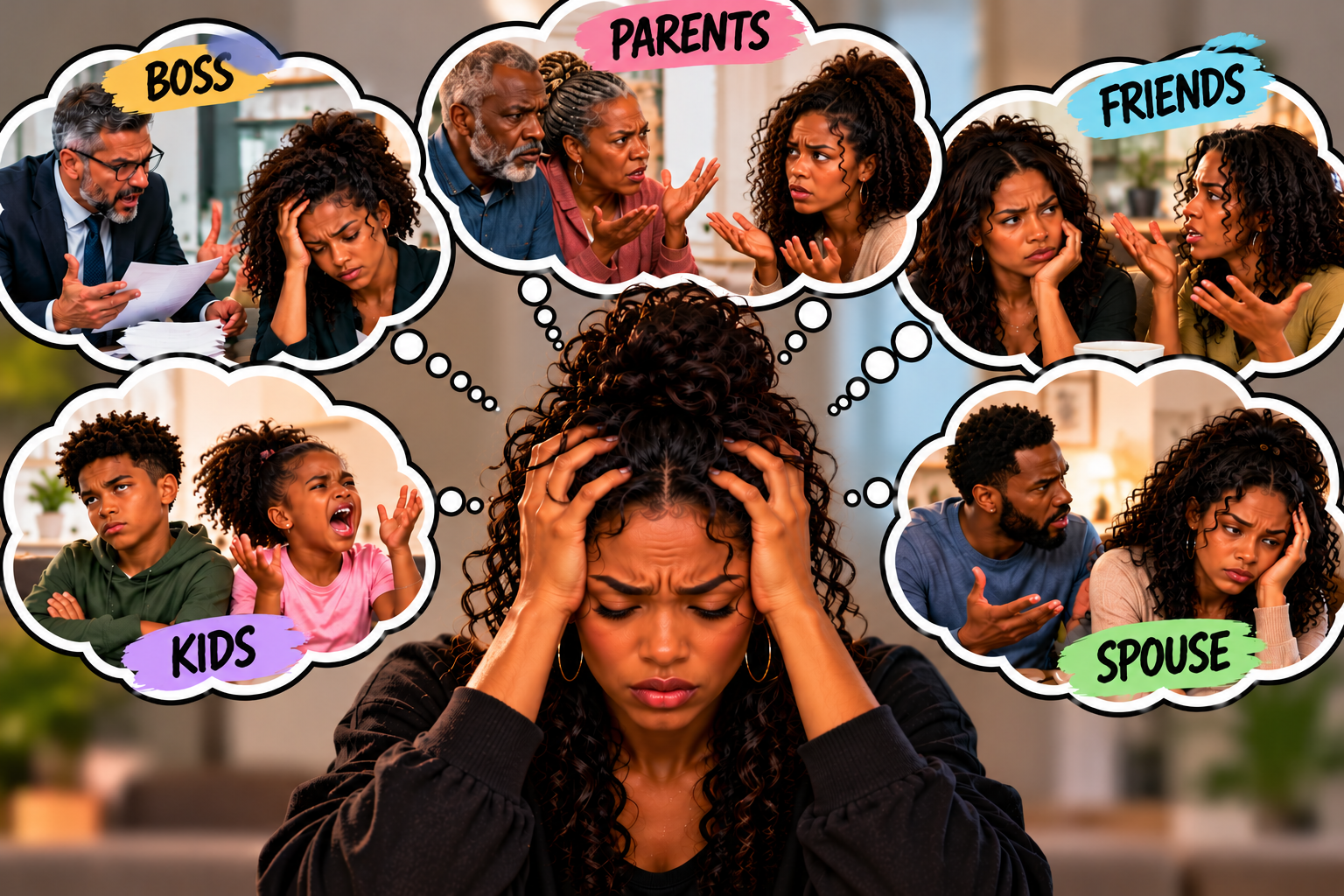
When people hear the term relationship coach, they often assume that I focus exclusively on romantic relationships. But relationships are much broader than that. We have relationships with our parents, children, siblings, friends, coworkers, supervisors, and other people we encounter throughout life. We also have a relationship with ourselves. And that relationship with ourselves matters.
Do you listen to yourself? Do you recognize when you're overwhelmed? Do you understand what you need? Can you identify what you're feeling and why you're feeling it? Or do you move through life reacting to whatever happens around you without taking the time to understand what's happening inside you? Our internal experiences can influence how we relate to other people.
For example, imagine someone who struggles with insecurity. That insecurity doesn't automatically disappear when the person moves from one relationship to another. They may feel insecure around their family, in friendships, at work, or in a romantic relationship. The specific situations may differ, but the underlying struggle can follow them into different environments. Unless they recognize and work on that insecurity, it may continue influencing how they communicate, interpret other people's behavior, and respond to challenges. This is why changing the people around you doesn't always solve the problems you experience in relationships. Sometimes, the work needs to begin within you.
The way you understand yourself can influence how you interpret others, and the way you treat yourself can influence how you treat them. That doesn't mean every relationship problem is your fault. Other people are responsible for their own choices and behavior, too. However, understanding your own patterns gives you more control over how you respond and what changes you can make.
Are You Responding to Your Needs or Taking Them Out on Other People?
Here's a simple example I often think about: being hungry.
Have you ever been so hungry that you became irritable, impatient, or easily annoyed? You may find yourself snapping at people or reacting negatively to things that normally wouldn't bother you. Someone asks what's wrong, and eventually you realize you haven't eaten. Suddenly, your behavior makes more sense. Instead of continuing to walk around irritated and taking your frustration out on everyone else, you can recognize the problem and do something about it. You can eat.
Now, hunger is a simple example, but the principle applies to other areas of our lives. Sometimes, we react to people because we're exhausted, overwhelmed, stressed, lonely, or emotionally drained. We may not even realize what is happening within us, so we interpret our discomfort as a problem with everyone around us. We may think someone is irritating us when we actually need rest. We may become impatient because we haven't addressed an ongoing source of stress. We may withdraw from people because we're struggling with something we haven't acknowledged. This doesn't mean every negative emotion has a simple solution. Human experiences can be complicated, and some problems require deeper reflection or professional support. But it does mean that we should learn to pause and examine ourselves before automatically reacting to our environment. The more we understand ourselves, the better equipped we become to respond thoughtfully instead of reacting in ways that contribute to our relationship problems.
Unhealthy Patterns Lead to Unhealthy Relationships
One of the statements I often make is that unhealthy people cannot have healthy relationships. What I mean is that when we consistently neglect our own well-being, refuse to examine our behavior, or allow unhealthy patterns to go unaddressed, those patterns will absolutely interfere with our ability to build and maintain healthy relationships. You can genuinely want a healthy relationship. You can love someone deeply. You can have good intentions and sincerely want things to work. But good intentions alone don't automatically give you the skills needed to maintain a healthy relationship. If you struggle with communication, emotional regulation, insecurity, boundaries, or understanding your own needs, those struggles affect how you interact with other people.
For example, someone who has difficulty managing anger may lash out when they feel misunderstood. Someone who struggles with insecurity may interpret a delayed response as rejection. Someone who doesn't understand their own boundaries may agree to things they don't want to do and later become resentful. These patterns can create conflict even when the person genuinely wants the relationship to succeed. This is why personal development matters. We need to learn how to recognize unhealthy behaviors, understand where we need to grow, and practice healthier ways of responding.
I also want to make an important distinction: having struggles does not mean you are incapable of having meaningful relationships or that you must become perfect before you deserve love. None of us is perfect. The goal is not perfection. The goal is awareness, accountability, and a willingness to grow. You don't have to be perfect to build a healthy relationship, but you do need to be willing to work on the things that interfere with one.
You Cannot Change What You Refuse to Examine
One of the challenges of personal development is that we don't always recognize our own unhealthy patterns. Sometimes, behaviors become so familiar that we assume they are normal. We may have grown up around certain communication styles, emotional reactions, or relationship dynamics and never questioned whether those patterns were healthy. We may repeat what we have seen because it's what we know.
For example, if you grew up in an environment where people shouted whenever they disagreed, you may believe that raising your voice is simply how conflict works. If you learned to avoid difficult conversations, you may struggle to communicate when something bothers you. If you were taught to put everyone else first, you may feel guilty whenever you try to take care of your own needs. These patterns can become part of the way we navigate life unless we stop to examine them.
Personal development gives us an opportunity to ask whether the way we have been doing things is actually helping us. Is this behavior solving the problem, or is it creating more damage? Is this response helping my relationships, or is it making them more difficult? Am I addressing the real issue, or am I reacting in a way that allows the problem to continue?
Growth begins when we become willing to ask honest questions and consider different ways of doing things. You may discover that a behavior you thought was helping you is actually contributing to the challenges you face. That realization can be uncomfortable, but it can also be the beginning of meaningful change.
Healthy Communication and Conflict Resolution Are Essential Life Skills
Because relationships are such a significant part of our lives, we need to learn how to navigate them. Even if you don't have a romantic partner, you will interact with family members, friends, neighbors, coworkers, or other people in your community. And whenever people interact, differences arise. People have different perspectives, expectations, needs, communication styles, and ways of responding to stress. Disagreements are a normal part of human relationships. The important question is not whether conflict will ever occur. It's how we handle it when it does. Do we listen to understand, or do we listen only to prepare our response? Do we communicate our concerns respectfully, or do we attack the other person? Do we work toward a solution, or do we keep repeating the same argument without addressing the underlying problem? Do we recognize when a situation is unhealthy and take appropriate steps to protect ourselves? The way we handle conflict can influence whether a relationship grows stronger, remains strained, or becomes increasingly harmful.
Healthy conflict resolution isn't about winning every argument. It's about addressing problems in ways that support understanding, accountability, and appropriate solutions. Sometimes, that means working together to repair a relationship. Other times, it may mean establishing firmer boundaries or recognizing that a relationship is not healthy for you. The goal is to respond thoughtfully rather than perpetuating patterns that cause further harm.
These are skills we can learn and improve with practice.
Personal Development Is an Ongoing Process
I have been teaching personal development and relationship principles for several years, but I still use these principles in my own life. Being a coach doesn't mean I have reached a point where I no longer struggle, feel frustrated, or need to examine my behavior. It means I have tools that help me work through those experiences. When I notice that I'm feeling moody or that something doesn't feel right, I have to pause and ask myself what's going on. I have to consider what I need, whether I'm taking care of myself, and whether I'm responding in a healthy way. I can't simply assume that because I teach these principles, I no longer need to practice them. Knowing what to do and consistently applying what you know are two different things.
You can read books about personal development, listen to podcasts, attend workshops, and learn valuable information. But that information becomes useful when you begin applying it to your own life. And the application will look different for everyone. One person may need to work on their relationship with a parent. Another may need to improve communication with their children. Someone else may need to understand their own emotions, establish boundaries, or learn how to manage conflict at work. The principles may be similar, but the situations are different. That is why personal development requires ongoing reflection, practice, and a willingness to adjust as you learn more about yourself. You don't have to master everything at once. Start by identifying one area in which you want to grow, and begin taking practical steps toward change.
The Work Begins Within
Your relationship with yourself influences many aspects of your life, including how you respond to challenges, how you care for your needs, and how you interact with the people around you. When you begin understanding yourself more deeply, you can start recognizing patterns that may have been affecting your relationships without your awareness. Healthy relationships are not built on good intentions alone. They require self-awareness, personal responsibility, and a willingness to grow. Let's keep doing the work within ourselves so we can build healthier relationships with the people around us.
Thank you for reading. I would love to hear your thoughts.
What is one area of personal development that has helped you improve your relationships, or one area in which you would like to grow?
